
You’ve already woken up to the truth — you’re renting your own name from the Big Tech overlords who can suspend you, shadow-ban you, or erase you the second a moderator decides you stepped over some invisible line. That is just the beginning.

The Cage of Control
Now, people are pushing the ultimate cage: a government-issued, national, centralized digital ID. One database. One authority. One switch they can flip to freeze your bank account, block your travel, silence your voice, or turn you into a non-person because you said the wrong thing or simply because the algorithm flagged you.
I’ve watched it happen overseas — friends cut off from everything overnight. Accounts gone, reputations destroyed, lives upended. All because the ultimate power sits in one place, controlled by faceless gatekeepers who answer to no one. A single hack, a single policy change, a single “error,” and you’re locked out of your own life. That’s not security. That’s slavery dressed up as convenience.
No way. We reject it completely!
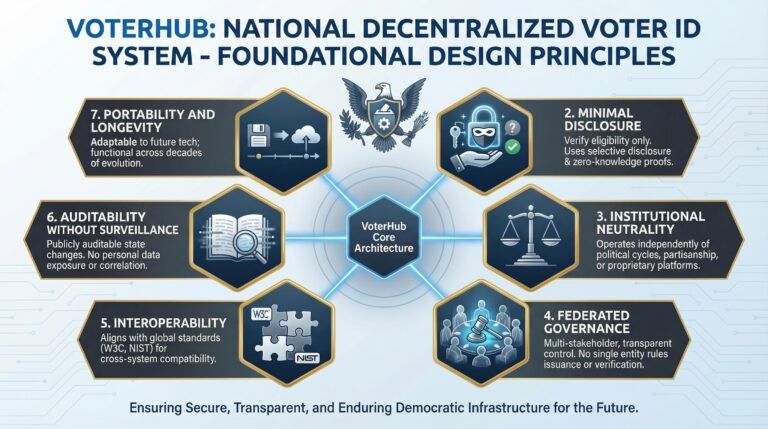
The only path forward is self-sovereign decentralized identity — DIDs you create and control in your own wallet, backed by verifiable credentials and zero-knowledge proofs. You prove exactly what needs proving — age, citizenship, ownership, eligibility — without ever handing over your full data or begging for permission to do you.
And the platform that actually delivers this at scale, right now? Hedera Hashgraph. Leaderless consensus, blazing speed, pennies per transaction, carbon-negative, governed fairly by a council that can’t rug anyone. No congestion, no volatility, no single point of failure. Your DID lives forever on an immutable ledger nobody can censor or shut down.
This isn’t some distant dream. It’s live today. Tools like MyEarth.ID on Hedera lets you own your digital name, tie it to your credentials, and carry it anywhere — new platforms, new apps, new life chapters — without losing your reputation or starting over.
Not On This Platform
Look at what’s already happening in 2026: the gatekeepers are cracking down harder than ever on what images you can create or share. Try generating a confident woman sunbathing on a beach in reality — natural, free, nearly nude, because that’s how some of us live — and watch the AI systems slap you with “sorry, can’t generate that.”
Overly strict filters burn holes in creativity, censoring real bodies while letting cartoon nonsense slide. PG-13 rules enforced by distant moderators decide what’s “acceptable,” even when it’s just a woman owning her confidence under the sun. They police beauty, freedom, expression — all to keep control tight.
That same mindset drives the push for centralized digital ID. They want one authority deciding who gets to exist online, who gets to create, and who gets to speak. To quote Nancy Reagan, JUST SAY NO! Be emphatic about it.
The Tech is Here
Decentralized identity on Hedera breaks that grip. It takes the keys from Big Tech and gives them to you. You hold the keys. You decide what to reveal. You move freely. No moderator, no government, no corporation can freeze your identity or silence your voice.
This is the revolution we’re building at Web3Rescued. Own your name. Own your proofs. Own your future.
Stop waiting for permission that will never come freely. Create your Hedera wallet today. Set up your first DID. Stake some HBAR. Join the network that can’t be caged.
Resist the moderators. You do you. Full steam ahead — decentralized, unbreakable, free.
Grab your keys. Let’s go.
— Ryn Web3Rescued
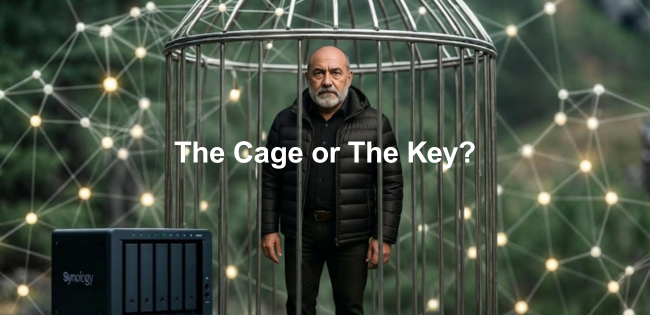
The Cage & The Key
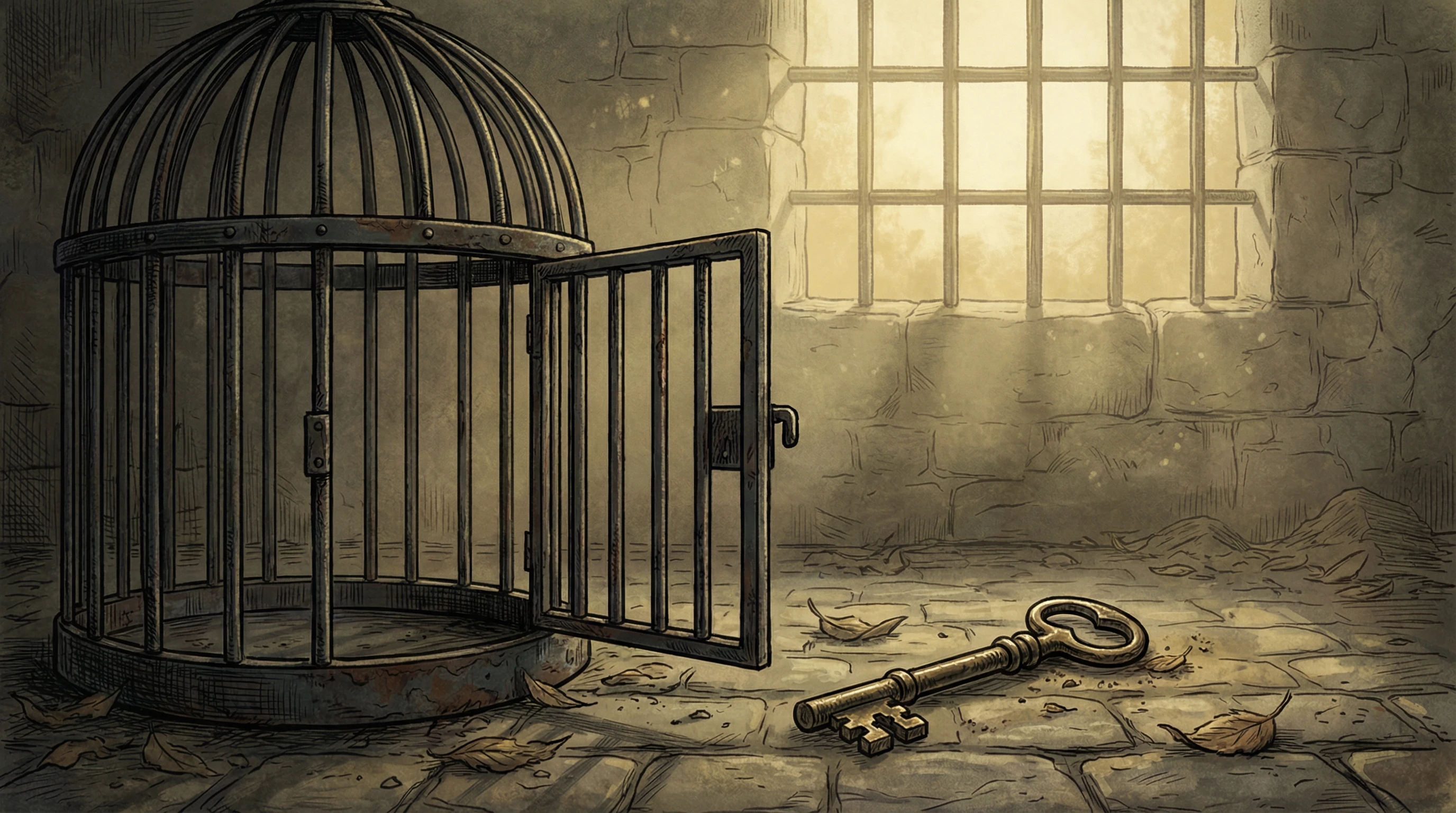
The debate over freedom and control feels a lot like standing between a locked cage and a hidden key. For years, I didn’t pay much attention to who actually controlled the things I relied on. That changed the first time I got locked out of a SUBSTACK. Then I noticed that my data was being sold. Google says I have 556 passwords, 19 of which have been compromised. Your identity could be stolen from any one of these honeypots, and you could vanish overnight. Many sites we use every day act like they’re there to serve us, but actually, they keep us on a very short leash. This is the modern version of the cage we are living in.
How the Cage Forms: Control vs. True Ownership
The idea of today’s cage isn’t about physical walls or iron bars. But you recognize it when it shows up in your digital life, finances, and your day-to-day choices. For example, owning a song on a streaming platform is not true ownership. If the company switches up its terms or goes offline, so does your music. That’s the digital cage: a system built with barriers, tight limits, and the real power held by someone else. I learned that quickly when my favorite playlist disappeared overnight because of licensing changes.
On the other side is the key. It means real ownership and the power to unlock choices without waiting for someone else’s permission. Digital keys are tools, know-how, or systems that make me the one in charge. Whether it’s self-custody of my data, managing my money without bank restrictions, or moving files freely, having the key brings real control. It’s about being practically in charge of things that matter.
Breaking Down the Cage: Where Restrictions Show Up
Cages are everywhere, often hiding just beneath the surface. Here are the spots where I’ve bumped into them in my own life:
- Streaming Platforms: You don’t actually own anything you pay for. Content can vanish the moment a service decides.
- Banking Apps: Accounts freeze or get restricted suddenly, usually by an algorithm or some automatic system. Ever travel abroad? When that first foreign transaction hits, you are handcuffed
- Social Media: Accounts can be blocked, profiles suspended, or posts erased with little explanation. I’ve lost posts without warning.
- Work Platforms: Cloud files become inaccessible when subscriptions expire or systems mess up.
From all of these annoyances that we “live with”, I realized I was only renting access. The rules could change out of nowhere, leaving me in the lurch.
The Key: Moving to True Control
Keen to keep more control, I started looking for keys—real-world approaches to jumpstart more freedom in what I own and make. Here’s what helped me ditch digital cages:
- Self-hosting: Running my own site or cloud storage at home means my files and content stay with me. Top Pick: Synology DiskStation (Easy, Polished, Set-and-Forget)
- Physical Copies: Keeping backups of music, movies, and documents saved offline—not just in the cloud—guarantees longer-term access.
- Open-source tools: Software with open code gives me more rights to use and modify without risking sudden lockouts.
- Decentralized Platforms: Tools like decentralized finance (DeFi) and decentralized networks remove gatekeepers. Ownership stays with me, and it’s backed by transparent systems.
Switching to systems where I hold the key does take a bit more work at the start, but the peace of mind is real. Plus, I’ve dodged a lot of headaches from surprise shutdowns or lost access.
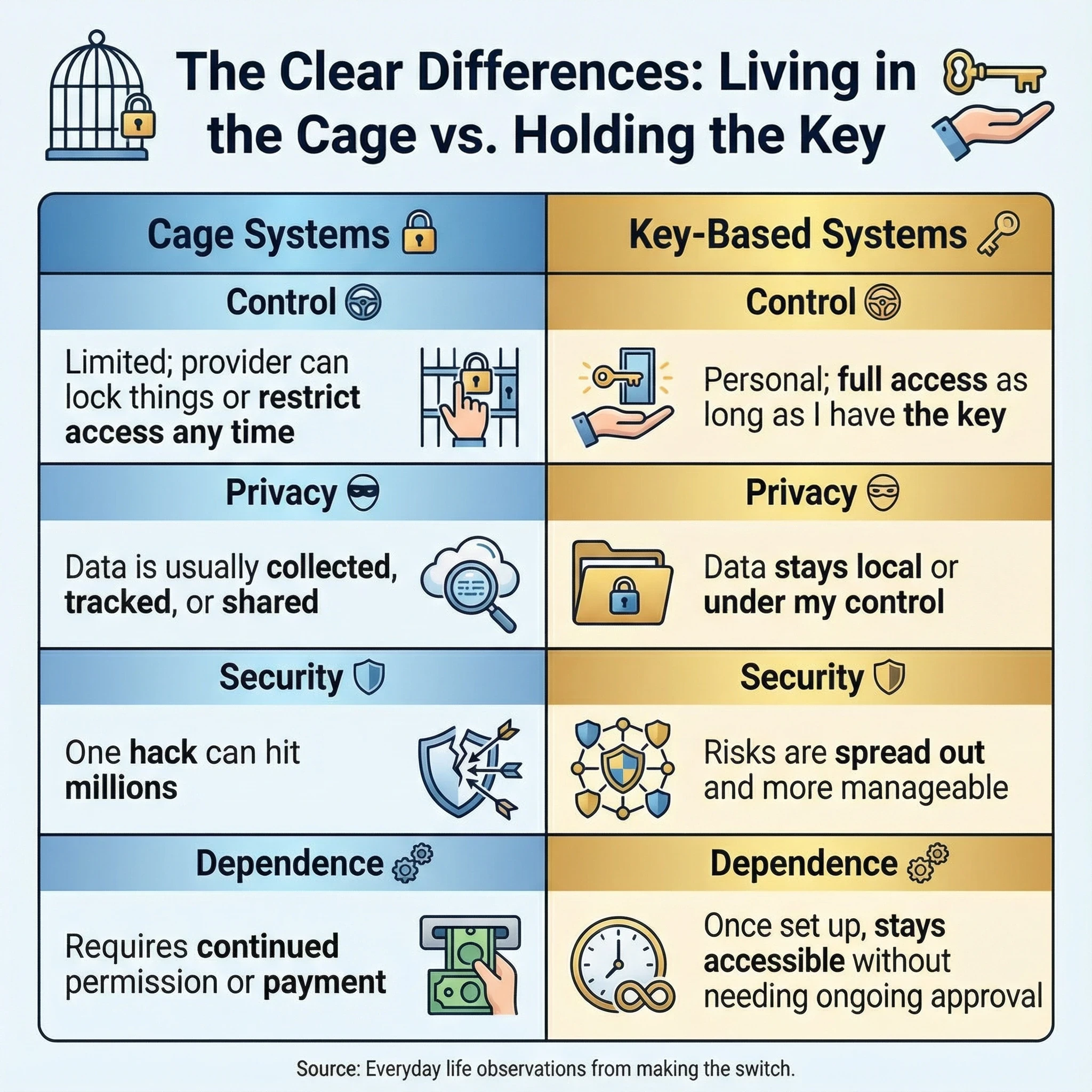
The Clear Differences: Living in the Cage vs. Holding the Key
 Self-hosting
Steps to Find and Use Your Own Key
Switching from a cage to a key-based life happens one step at a time. Here’s how I started—and what I suggest to anyone annoyed by endless restrictions:
- Check What You Actually Own: I reviewed my music, photos, files, and online accounts. Anything I could lose overnight got flagged.
- Make Local Backups: Download and keep important stuff on physical drives or devices I control.
- Pick Open or Easy-to-Export Platforms: Tools that let me move data out or switch providers are worth sticking with.
- Try Self-hosting or Decentralization: When possible, I use platforms where no single authority can lock me out.
- Keep Learning: The more I understand these systems, the less likely I am to be blindsided by thinkless rule changes or sudden access loss.
Most of these steps became part of my usual tech routine. They’ve saved me from surprise losses and locked-out accounts more than once.
Common Questions About the Cage and the Key
When talking to others, I get plenty of questions about the real-world side of ditching cages for keys. Here are some of the most frequent questions and responses:
Question: Do I really need to worry about true ownership using normal apps and services?
Answer: I used to brush it off until something I needed was suddenly gone. If losing access would be a pain, it’s smart to take steps to control your files or accounts directly.
Question: Doesn’t self-hosting or switching to more private systems take too much work?
Answer: It takes extra effort the first time, but eventually it becomes routine—like updating passwords or doing a backup. The added security and comfort are absolutely worth it.
Question: How exactly do decentralized systems really avoid lockouts?
Answer: Decentralized platforms don’t put one company or server in charge. If part of the system falls over, the rest keeps ticking. This sidesteps a lot of sudden lockouts or removals.
Why Avoiding the Cage Matters
I’ve watched too many people, myself included, suffer from hidden rules and surprise shutdowns. Giving all the power to someone else feels easy at first but has hidden risks. Your money, data, or creative work can disappear with a simple policy tweak or unnoticed update. That’s why it’s so important to have backup plans and tech that work even if the original provider disappears without notice.
The folks who hold their own keys are usually the ones who have options and bounce back fastest when something goes wrong. Building habits like regular backups, redundancy, and using open tools has been my best protection against unexpected losses.
Examples of Using the Key in Real Life
- Media Libraries: I save music and movies on external drives. If a streaming app changes, my collections stay put.
- Document Storage: With files on a home server and USB backups, I can always get to my work, service or not.
- Digital Currencies: By holding my own wallets, I can move funds at any time, not just when a bank gets around to it.
- Communication Tools: With encrypted chat or email where I control the keys, my conversations stay much safer.
Wrapping Up: Picking Your Own Path
Living in a setup that feels like a cage only gets more frustrating as the world moves online. I’ve learned to depend on my own keys, both digital and physical, more each year. Keeping control where I can helps me steer clear of surprises and makes backup options easy when something fails. If you haven’t tried any of these steps before, starting small is worthwhile. The sense of security and freedom it brings is worth every bit of effort.