

Stop acting like a guest in your own life. Here is how to own your name.
I have a question for you.
If Facebook decided tomorrow that they didn’t like your face, your politics, or the meme you posted in 2014, what happens to “You”?
I’ll tell you what happens. You disappear.
I’ve spent years working in the back end of these systems. I’ve seen people lose decade-old businesses, contact lists, and photo albums because an algorithm hiccuped. And the worst part? They couldn’t do a damn thing about it.
Why? Because they were renters.
We need to have a serious talk about the difference between “using” the internet and “owning” your spot on it. Because right now, you are living in a digital apartment complex owned by billionaires, and you don’t even have a lease.
The “Landlord” Trap
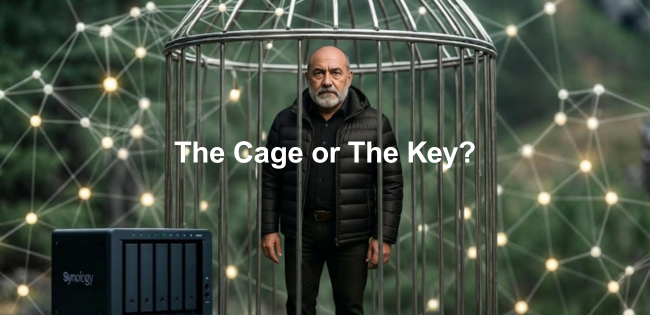
When your address is facebook.com/yourname or linkedin.com/in/you, you are building a brand on borrowed land. You can decorate the walls, invite your friends over, and make it look cozy. But make no mistake:
The Landlord Has the Keys
- The Risk: They can change the locks (banned accounts). They can raise the rent (pay-to-play algorithms). They can demolish the building (shut down the platform).
- The Reality: Until you own the domain and the keys, you are just a tenant. And tenants get evicted, all the time.
How to Buy the Building (The Ryn Method)

Owning your digital identity isn’t just about vanity; it’s about survival. It means if Instagram burns down tomorrow, your friends can still find you. It means you control the narrative.
Here is the roadmap I use to get people out of the “Rental Trap” and into a home they actually own.
1. Plant the Flag (Get the Domain)
This is step one. Go buy yourname.com. If your name is John Smith, you’re out of luck—get creative. Add your profession (JohnSmithWriter.com) or a middle initial.
- Ryn’s Note: Don’t overthink it. Just buy it. It costs less than a bad pizza.
2. Kill the “Gmail” Dependence
Nothing screams “I don’t own my data” like a professional email that ends in @gmail.com or @yahoo.com. Set up an email on your own domain (like hello@yourname.com).
- Why? If Google locks you out of your account (it happens), you don’t lose your ability to talk to the world. You just point your domain to a new email server. You keep the address.
3. The “Hub” Strategy
You don’t need to quit social media. I still use it (reluctantly). But you need to change how you use it. Think of social media as the “Billboard” and your website as the “Store.”
- Use LinkedIn/Twitter/Instagram to shout about what you do.
- ALWAYS drive them back to your website.
- Build your email list there. Keep your best content there.
4. The Future: Decentralized ID (The Fun Part)
This is where we get into the heavy lifting—the stuff I built Web3Rescued for. We are moving toward a world of Self-Sovereign Identity (SSI). This means using digital wallets and decentralized keys to log in, rather than “Sign in with Facebook.”
- Translation: You carry your ID in your pocket, not in Zuckerberg’s database. We’ll talk more about this in future posts, but for now? Just know that owning the domain is the first step toward this freedom.
“But Ryn, it sounds hard…”
Stop it. It’s 2025. You don’t need to know how to code. You don’t need to know what a DNS record is (mostly).
- Registrars make it easy. (Namecheap, GoDaddy, etc.)
- Website builders are drag-and-drop.
- Security is simple. Use a Password Manager and turn on Two-Factor Authentication (2FA). If you aren’t using 2FA, you might as well leave your front door open.
The Bottom Line
I’m tired of seeing good people get wrecked by bad platform policies.
Taking ownership of your name is a little bit of work upfront. It costs a few bucks a year. But the peace of mind? Knowing that no matter what Big Tech does, you are still you?
That’s priceless.
Grab your keys. Let’s go.
— Ryn Web3Rescued
What It Means to “Rent” Your Name Online
Most people don’t realize how much they rely on what amounts to rented property in the digital world. Using services like Facebook, LinkedIn, or Gmail means you’re building your personal brand on land you don’t own. You don’t control the platform, the domain name (such as facebook.com/yourprofile), or even your right to keep your account. All of these things could be shut down or lost because of decisions outside your control or random technical problems.
When your username is tied to someone else’s website, it’s like living in an apartment. You might decorate, invite friends over, and make it comfortable, but the landlord can always change the rules or even kick you out. Until you have your own domain and your own digital keys, you’re still just a tenant in the ever-changing world of the internet.
Why Renting Your Name Puts You at Risk
Relying on third-party platforms for your digital identity exposes you to all sorts of risks. I’ve seen people lose years of messages and connections simply because their accounts were flagged unfairly, got hacked, or a company updated its policies overnight. And once something disappears or access is lost, getting that data back can be almost impossible.
Companies will always act in their own self-interest. If they want to switch up how profiles work, add tough restrictions, or discontinue a type of account, there’s nothing you can do except start from scratch somewhere else. Even being cautious and following all the rules doesn’t make you immune to hacks, bans, data wipeouts, or platform-wide service failures. Relying on someone else to safeguard something as personal as your digital identity is a risky best, and the more you invest in a platform, the harder it is to escape when trouble hits.
What It Really Means to Own Your Name Online
Owning your digital name goes way beyond just buying a website domain. It means you have full control—that includes your domain, your login methods, and the data underpinning your online presence. When you own your domain, choose your email provider, and even put to work decentralized identity tools, you aren’t at the mercy of a corporation to protect your name or reputation.
It does take a little groundwork to get started. Registering yourname.com, setting up a private email address, or using decentralized authentication can sound pretty technical. But there are more beginner-friendly guides out there than ever. After I made the switch myself, I found I no longer stressed about losing my online history to a bad password or an unexpected company policy. My online presence became mine to manage, not theirs.
Steps I Took to Stop Renting My Own Name
- Registered My Domain Name: I searched for the domain that matched my name (like janedoe.com) and bought it from a trustworthy registrar. That gave me a web address nobody could steal or accidentally take away.
- Set Up My Personal Email: I set up an email address using my own domain, dropping all dependence on big tech aliases. This way, my communication was in my hands, not subject to the whims of someone else’s terms of service.
- Built a Simple Website: Even a single-page site with my contact info, résumé, or bio helped me stake my claim online. Now when people look me up or ask, “What’s your web address?” I have a direct answer.
- Used Decentralized Authentication: I tried out digital wallets and decentralized IDs where I could, using alternatives to “Sign in with Google or Facebook.” This shrunk my reliance on mainstream logins.
- Regular Backups: I made sure to back up important emails, files, and contact lists somewhere that I controlled—such as encrypted cloud storage or a trusted backup drive—so I could always recover my information.
Common Hurdles When Moving Off Rented Platforms
- Domain Name Availability: If your ideal domain isn’t available, get creative. I tried adding a middle initial or a field of work, and it worked just fine. Acting early helps secure names before they’re taken by someone else.
- Set Up Confusion: Your first experience registering a domain or creating a website might seem confusing. But step-by-step tutorials and online guides from places like Namecheap Education Center and nonprofits like the Electronic Frontier Foundation made a huge difference for me.
- Keeping Everything Secure: Security is a must. I enabled two-factor authentication everywhere and used password managers for an extra layer of protection. Following security advice from trusted noncommercial sources helped me stay on top of risks.
- Cost: Owning a domain usually comes with an annual fee, plus possible hosting or private email costs. Still, I found it was no more expensive than a yearly streaming subscription and paid off tenfold in peace of mind.
Domain Name Availability
It can be tough if you have a common name. For me, adding my profession (like janedoewriter.com) helped keep things unique and easy to remember. Early planning made a real difference, so I suggest checking as soon as you start thinking about ownership.
Setup Confusion
The technical details of setting up email and a website can be daunting, especially at first. I leaned on plain-language resources like those from Mozilla and online communities where beginners ask questions. These sites guided me through each step and helped make tech jargon less intimidating.
Keeping Everything Secure
I almost fell for a phishing scam early on, so I quickly learned the importance of strong security. Setting up two-factor authentication, updating passwords regularly, and staying alert to new threats (with advice from places like consumerreports.org) are habits that keep my domains and email protected.
Cost
Yes, there’s a yearly cost, but it’s reasonable. Companies often offer bundles or introductory deals, and nonprofit services can even provide basic features for free. For me, the cost of owning my identity was a worthwhile investment in self-reliance and professionalism.
Extra Perks of Owning Your Name
- Full Control Over Your Online Image: Managing your own domain lets you shape what shows up in search results, instead of letting some algorithm or random web listings define you.
- No Forced Changes: Since you’re not tied to one provider’s rules, your site and email won’t suddenly change because someone else decided to switch things up.
- Building Trust Is Simpler: Sharing your professional web address looks good when connecting, applying for jobs, or starting projects. It signals that you’re serious and proactive.
- Freedom with Your Data: With content on your own site and your own backups, your blog posts, photos, and messages are always yours to move, copy, or share any way you choose.
Frequently Asked Questions
Question: Isn’t owning a domain too technical for most people?
Answer: Getting started is much simpler than it used to be. Modern services walk you through registration, hosting, and even website building, no coding knowledge required. I handled mine within an afternoon.
Question: What if I lose my domain or forget to renew?
Answer: Most registrars give you plenty of reminders before your domain expires, and you can set up auto-renewal. Linking a recovery email to a secure device is an extra safeguard against accidental losses.
Question: Do I need to quit social media entirely?
Answer: Not at all. I still use social media to keep in touch, but now I point people to my own website. My domain acts as a central hub, no matter which platform I’m on.
Owning My Name Changed My Relationship with the Internet
Making the move from rented online space to genuine ownership has made a major difference in my confidence and peace of mind. Now, even if one of my profiles disappears or rules change, friends and contacts can always find me. My own website is a place where I control the narrative, keep all my important info together, and stop worrying about sudden deletions or bans. It took a little effort, but putting myself in charge of my online identity is a freedom I wish I’d discovered sooner.
Taking charge of my digital identity gave a boost to my privacy, security, and flexibility. There’s a real comfort in being able to say, “My web address is myname.com,” and knowing nobody can take that away. If you’re tired of feeling like a permanent internet renter, taking the step to own your name is worth it for the independence alone.