

Turning Traditional Governance on Its Head for a More Inclusive Future
What’s the Big Deal
- Centralized Bottlenecks: Traditional models often lead to delays and overlook local needs.
- Empowering Communities: Decentralization gives power back to community members.
- Technological Advancements: Blockchain enhances transparency and security.
What You’ll Learn Today
The historical evolution and key milestones of decentralized governance.
- Modern models like DAOs and their impact on community engagement.
- Challenges and opportunities in implementing decentralized systems.
- Future prospects and how to leverage these models for effective governance.
Discover the Future of Governance
Are you ready to be part of this revolution? Dive into the world of decentralized governance today and see how you can make a difference. The choice is yours, and the power is in your hands.
Decentralized decision-making is like turning the governance model we know on its head. In traditional setups, decisions funnel down from a central point, often leading to delays and ignoring local needs. Decentralization flips this script, giving power back to community members who directly participate in shaping their future.
Technology has played a massive part in advancing decentralized governance, with blockchain being a game-changer. This tech allows for increased transparency and security, ensuring all voices can actually be heard and counted, fostering trust among participants.
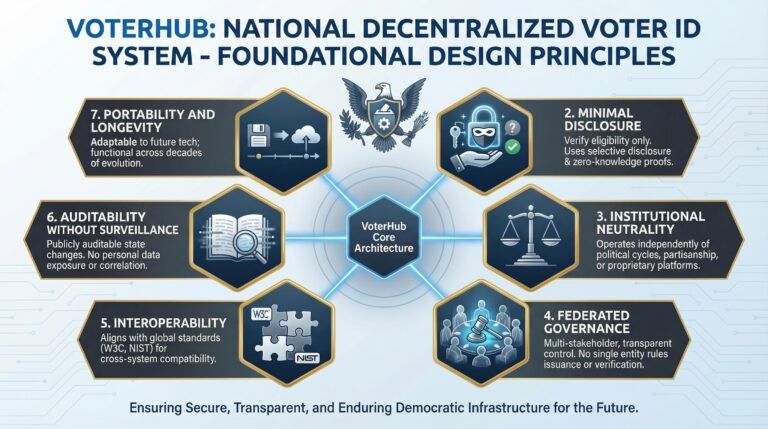
Core principles here include transparency, inclusivity, accountability, and autonomy. It’s about creating a system where all participants have equal say and access to information, ensuring decision-making processes are fair and open. This makes the decision-making process not just about governance but about empowering communities.
Historical Context and Evolution
Decentralized governance isn’t just a new-age idea; it stretches back across different cultures and eras. Many communities throughout history naturally leaned toward shared decision-making simply because it worked better for them. These setups often evolved in response to centralized systems that failed to address local needs.
Key milestones over the years mark significant shifts toward decentralization, influenced by various socio-political and economic factors. For instance, cooperatives in the early 19th century were among the first formalized attempts at decentralized governance, offering an alternative to top-down decision-making.
Examining these milestones shows us how different projects approached decentralization. Some succeeded due to a strong community foundation, while others faltered due to a lack of technological support or community interest. Each offers valuable lessons.
Learning from past attempts—triumphs and blunders alike—provides a roadmap for modern initiatives. Understanding the factors that led to failures can prevent repeating them, while showcasing successes makes it easier to replicate effective strategies. In essence, history serves as a guide for future endeavors, helping us identify what truly makes decentralized governance effective.
Analyzing Modern Decentralized Decision-making Models
Today’s decentralized governance models, like DAOs (Decentralized Autonomous Organizations), reflect the cutting edge of how communities can self-manage without a central authority. These models thrive on blockchain technology, ensuring transparency and equality in decision-making processes.
Consensus mechanisms play a pivotal role in these setups. Each type, such as Proof of Work and Proof of Stake, has its pros and cons, with the latter being celebrated for its energy efficiency and scalability.
What’s exciting about these models is their ability to deepen stakeholder engagement. Members are not just passive participants; they’re deeply involved in governance, voting on projects, and having a say in resource allocation. This active involvement increases commitment and ensures that decisions reflect the actual needs of the community.
Real-world case studies, such as Ethereum, demonstrate how DAOs can effectively manage resources and make collective decisions. For those interested in pursuing decentralized governance, studying these examples can provide insights into effective strategies and inspiration for adapting these models in their own communities.
Challenges and Opportunities in Decentralized Governance
While promising, decentralized governance doesn’t come without challenges. Regulatory environments can be restrictive, as many countries lack frameworks to address or even recognize decentralized setups. This uncertainty hinders their full potential, leaving projects in a legal gray area.
Scalability is another concern. As more participants join, maintaining a decentralized model grows complex. Technological limitations often slow down processes, making scalable solutions crucial without compromising the model’s integrity.
Despite these challenges, the opportunities are substantial. Decentralized governance can spark innovation, allowing communities to experiment with new methods free from traditional bureaucratic hurdles. This freedom can lead to novel solutions to pressing problems.
Security concerns also need addressing. Without adequate safeguards, systems can be prone to manipulation or exploitation. Implementing robust security measures ensures the protection and reliability of these governance models.
Striking a balance between decentralization and necessary oversight is essential. While the goal is to empower communities, some degree of central management can help coordinate efforts and provide direction, especially when navigating regulatory landscapes or systemic challenges.
Future Prospects and the Path Ahead
Looking ahead, the landscape for decentralized governance holds exciting possibilities. As technology evolves, decentralized systems are poised to become more accessible and robust, offering new pathways for community engagement and participation.
Trends indicate a growing interest in decentralized frameworks, not just within small communities but at larger organizational levels. This shift could redefine societal structures, potentially giving more power and voice to local communities while shifting influence away from traditional centralized authorities.
These models offer potential solutions to global challenges, like resource distribution and crisis management, by fostering collaboration and collective problem-solving. They encourage the sharing of ideas and resources, leading to innovative approaches and effective solutions.
For those looking to explore the potential of decentralized governance, utilizing available tools and resources is key. Platforms like blockchain and open-source software provide the necessary infrastructure to develop and sustain these models.
By focusing on building resilient and adaptive governance structures, communities can ensure their relevance and efficacy in the future. Embracing these systems means not just adapting to change, but actively shaping a more equitable and inclusive future for everyone involved.
The Web3 Revolution Awaits
By embracing decentralized decision-making, you’re not just adopting a new governance model; you’re participating in a movement that prioritizes transparency, inclusivity, and community empowerment. Explore how these principles can transform governance and create a more equitable future.
Spread the Word for Web3 Rescued
The future of the internet is here, and it’s decentralized. Web3 holds the promise of a more open, transparent, and user-controlled web. Now that you understand the building blocks, it’s time to help others discover the power of Web3.
Join the movement towards a decentralized future.
Share this post and help others discover the power of Web3 and Web3 Rescued!
Let’s work together to build a decentralized future.